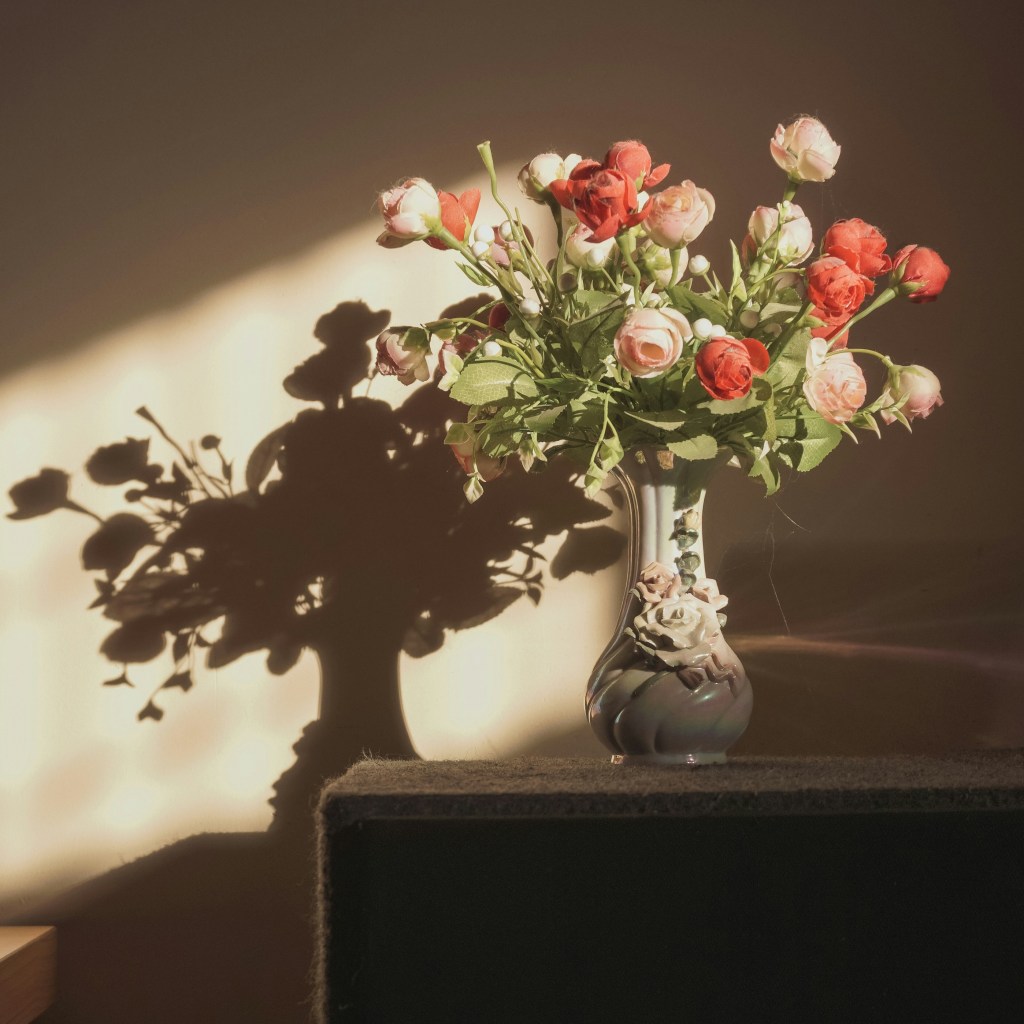
If you are anything like us, you likely have some very interesting and cool spaces within your home. Sometimes we enjoy decorating and displaying, other times it’s strictly functionality that matters. Creating that perfect space doesn’t have to cost an arm and a leg, and with a little knowledge you can make better decisions earlier in your process that will save you time and energy down the road.
We assume that you already enjoy many of the benefits of thrifting, why else would you be reading this article, right? With a name like On-Site Thrift & Tidy it’s hard to picture us as lighting gurus, and we aren’t! We are however, here to encourage you to take your own ideas one step further.
Welcome to the world of USEFUL Energy. Don’t worry, we’ll explain.
Useful energy is exactly as it sounds, it’s the energy that goes towards a desired output. A perfect household example is a lightbulb. You flip a switch and it beams light out in all directions, illuminating an entire room. Electricity gets converted into heat and light, the output is put to good use. Other examples are engines converting energy into heat and motion, or a human being turning food into work in our daily lives. (We are only 5% efficient by the way, but we digress).
So, how does this apply to thrifting? Or designing a space?
Well, when we think of creating a space we often think about things like the furniture, the decorations, the colors, and the feeling we want to experience while we spend time in those spaces. We rarely take the time to envision how it will all look once it’s lit up. It’s often an afterthought or the last thing installed before we consider a project finished, or it’s added way later out of hindsight.
Lighting can be a very tricky part of design, whether it be from a commercial perspective like a restaurant or store or at home in a den or perhaps a workspace. Finding the right lighting for the right application can be difficult and often results in several purchases before settling on a final lighting design when consumers try to do it themselves.
Aside from encouraging people to think of lighting earlier in their design process, what are some ways we can better the situation?
Well, we can educate people for a start! There are lots of things to consider. Remember our light bulb example?
Picture a simple exposed light bulb turning on. As it becomes energized, a “glow” or “aura” surrounds the lamp in a sphere, projecting light in all directions. Perhaps this light has a yellow hue (soft white, 2500k) or it may be very white (cool white, 5000k), it may even be some variant in between. It’s important to know that each end of the spectrum interacts with our brain in very different ways.
Soft white often provides a calming sensation, hence the name “soft.” In lighting design, it is used in dens, living rooms, museums, fancy restaurants, and places that you wish to create an ambiance of calm, poise, and relaxation. They are great for bedside table lamps and living room floor fixtures, and dimmable wall sconces.
Cool white however, stimulates our brains. It makes us feel energetic and alert, we see way more details in things and a larger variety of colors. That’s why we use it in places we want to conduct work such as garages, flashlights, warehouses, retail stores, and crafting rooms. We typically see them installed in overhead or down lighting and fixtures.
Again, so what does this have to do with useful energy? Let me continue.
Picture again the light bulb. What would happen if we put a lamp shade over it?
We’d likely witness the general “hourglass” pattern and that’s pretty typical of lamp shades with openings at the top and bottom. The light would escape out of the larger circle at bottom of the shade, illuminating whatever was below it. The smaller opening at the top of the shade, there would be a smaller space above the lamp illuminated, possibly the ceiling. The middle space, depending on how transparent/translucent the lampshade was, would be dulled or completely dark.
This is a basic form of directional lighting. By blocking the light escaping in a certain direction, the only illumination that can escape is where there are holes, the rest is absorbed and turned into heat.
Now, what if we lined the inside of the lamp shade with aluminum foil? What would happen then? This is where we begin to expand upon our idea of useful energy.
The light that was once expelled in all directions then dulled when it hit the bare lamp shade before would now be reflected and directed, likely downwards, virtually doubling the useful energy experienced in that area below the lamp. More useful energy = More concentrated. More light pointed in one direction rather than wasted in less important areas, the brighter the focus becomes. Similar result to using a magnifying glass to direct light towards a focal point using a convex lens.
We can apply this theory to virtually any light source, but especially natural lighting. By utilizing the lighting we already have access to, we can lower the need for additional lighting sources or adding even more clutter. Plus it’s super cool, and fun to do, and you can get creative with it.
There are lots of ways to play with light, our favorite is by incorporating more mirrors (especially ones with magnification). You can also strategically place reflective surfaces such as shiny and reflective decorations on shelves to direct light to certain places, or put furniture with glass doors in places that get lots of sunlight. You can illuminate many spaces by using very minimal light sources creatively, even by using candles and window lenses.
We also feel the need to tell everyone to be sure not to modify fixtures or lamps or any other electronics unless certified to do so. They are designed a certain way for a certain reason and certified to make sure they are safe. Lamps, especially LEDs, give off a lot of heat are designed to dissipate it properly. By placing things on them or too close to them it can result in disaster and at the very least reduces their lifespan.
Some helpful hints for you along the way would be to take your time, be patient, and observe. Finding the right lighting solution for your space should take time, it’s a big deal. It’s not something that happens over night (is that a lighting joke?).
Remember that new lighting changes as it breaks in, the color temperature can change and the output reduces over its first little while of use as it finds its stride. On the other side of things old lighting can be inefficient, the wiring can be brittle or damaged, or the components are not environmentally friendly; containing mercury, lead, or other toxic substances. Natural lighting, well that changes depending upon the time of day and the season, let alone with the weather. It’s important to learn about these things before jumping in with both feet and thinking about them.
Plenty of fixtures utilize lenses and reflectors, so sometimes it is a matter of finding the perfect light for what you are trying to accomplish, so make sure to research and see for yourself.
Here are some other things to consider:
– Will there be live plants in the area? Because they require more of a full-spectrum light in order to flourish.
– Is it gloss or matte paint on the walls? It matters because it changes how the light behaves in a room.
– How many electrical circuits are there in the room? Older homes can be easily overloaded because they didn’t have all of the technology we now enjoy.
– Do you need to illuminate the whole space? Or just certain areas?
Obviously there are many things to consider when it comes to lighting but again, it can be incredibly fun! You don’t need to be an expert and there are lots of ways to experiment, especially when using thrifted or second hand items. One thing’s for sure, there are lots of different light sources to choose from and finding the right one makes all the difference when creating that “vibe” in your ideal space. By thinking outside the box and focusing light exactly where you want it, you can make features pop. Especially important when showcasing those thrifted treasures!
We hope you enjoyed reading and thank you for taking the time. We will continue to grow and we love hearing feedback so please feel free to contact us. If you like what you’ve read, please tell your friends too. We are just a small local company trying to find our place in the world, please help light the way.
 On-Site Thrift
Leave a comment